


Did you know?
An older version of PDI's CAPWAP® software used to show an armadillo jumping during auto analysis. The current version shows a hammer pile driving.
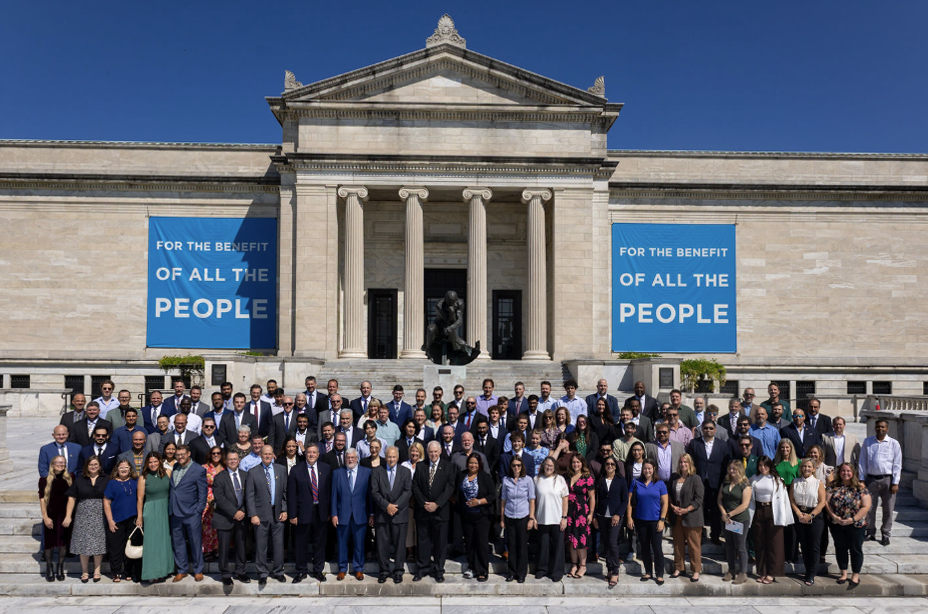
GRL Engineers' 50th Anniversary
by Patrick Hannigan, P.E., and Frank Rausche, PhD., P.E., D.GE
From Humble Beginnings
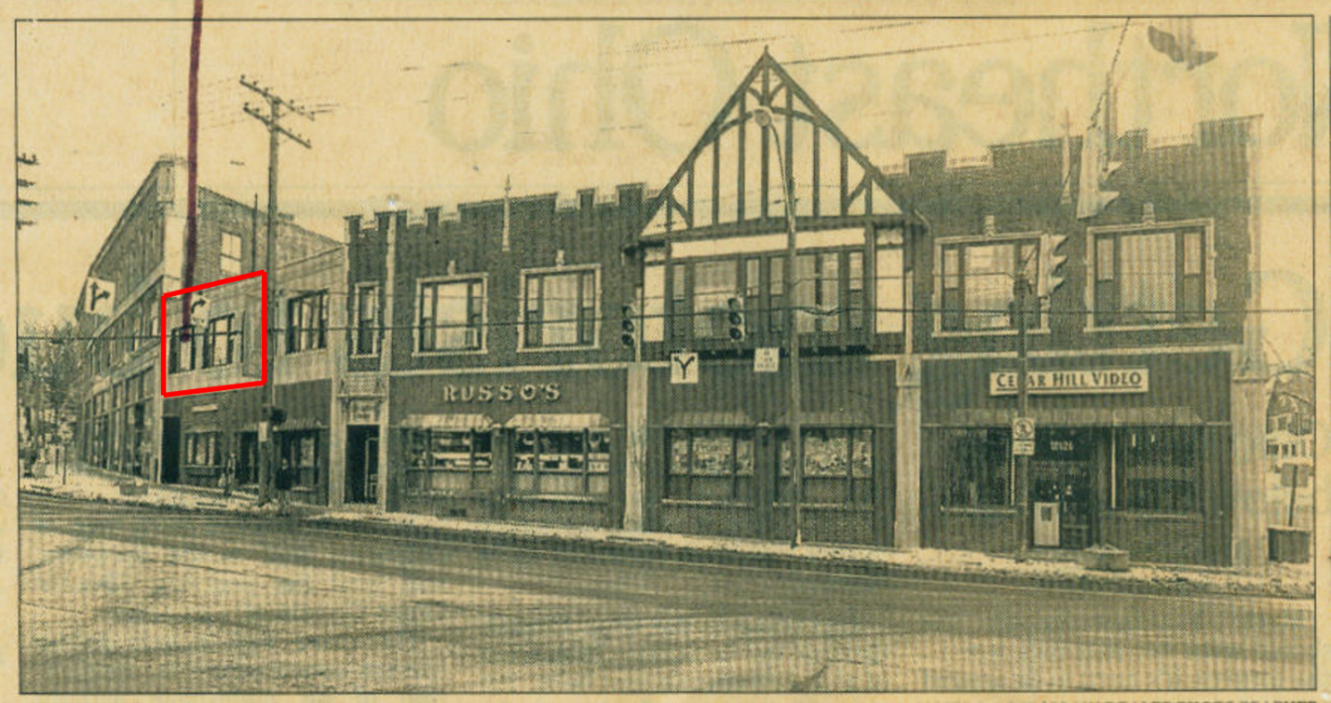
In 1976, George Goble, Frank Rausche, and Garland Likins opened a specialty engineering firm named Goble & Associates Inc. based on their earlier research project at Case Western Reserve University. The small startup, located above a grocery store, led to a worldwide industry using dynamic measurements for quality assurance on deep foundations. That firm became Goble Rausche Likins & Associates in 1984, and then simply GRL Engineers, Inc. in 2002. While the name changed, the firm’s emphasis on providing timely testing services and results to support deep foundation installations did not.

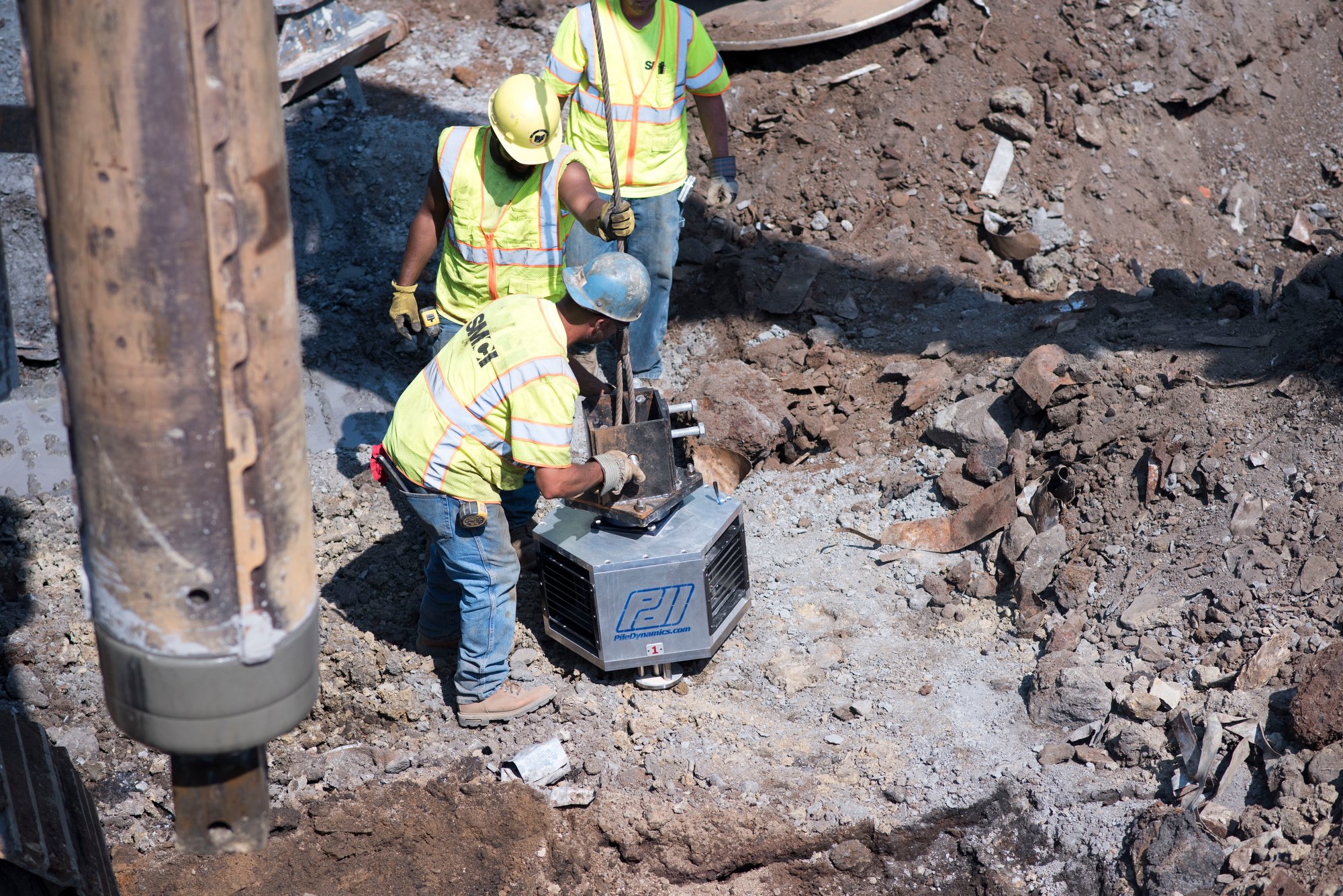
Historically the firm has been heavily involved in deep foundation testing and analyses on highway bridge projects, airport terminals and facilities, high-rise buildings, industrial facilities, infrastructure projects as well as offshore structures. This has led to expansion of our service offerings as new technology and methods were introduced by Pile Dynamics or others in the deep foundation industry.
Service Offerings
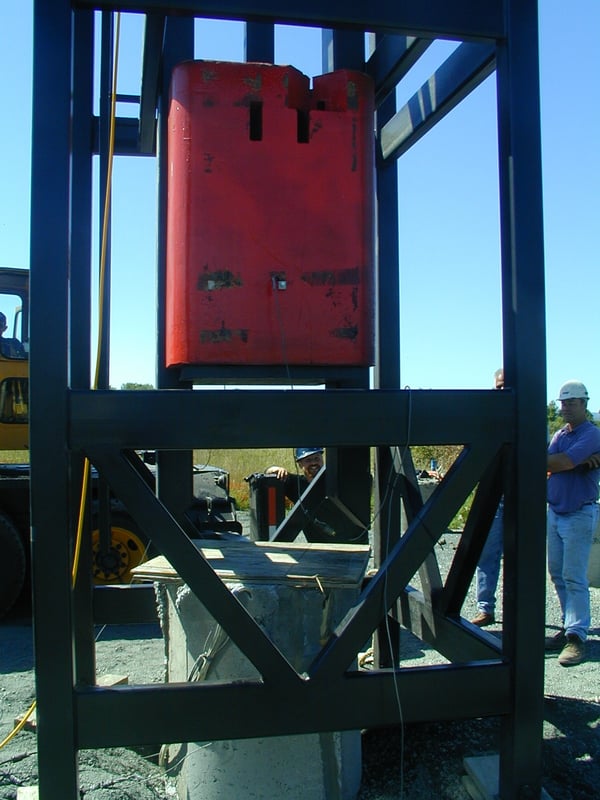
In 1976, the initial service offerings included dynamic pile testing with the Pile Driving Analyzer® (PDA), dynamic test analysis with the Case Pile Wave Analysis Program (CAPWAP®), and predictive pile driving studies with the Wave Equation Analysis of Pile Driving Program (WEAP). In 1982, the firm performed dynamic load testing (DLT) and analysis on several rock socketed drilled shafts on the West Gate Freeway project in Melbourne, Australia. These tests used a contractor designed, free-release, drop hammer with a 22-ton ram. This led to subsequent dynamic load tests on drilled foundations in the United States using various contractor designed and supplied drop hammers. In 2000, GRL introduced its own APPLE drop hammer system to facilitate dynamic load testing on drilled shaft and auger cast-in-place piles, as well as for driven piles that required a large hammer to mobilize the soil/rock resistance.
Energy assessments of the Standard Penetration Test (SPT) initiated with a 1987 Colorado Division of Highways grant to study SPT tests used by the CDH. This in turn led to the strain gage instrumented SPT rods used today for SPT energy measurements.

Also in 1987, GRL performed its first low strain pile integrity tests (PIT) to evaluate integrity concerns on a project in Florida and another in Virginia. A decade would pass before GRL would perform its initial Crosshole Sonic Logging (CSL) integrity tests on drilled shaft projects in Washington and in North Carolina. That early work was done with a commercial CSL system from Asia and would ultimately lead to Pile Dynamics developing the more robust Cross Hole Analyzer CSL system in 2000. The next addition to GRL’s integrity testing capabilities occurred in 2011 when Thermal Integrity Profiling (TIP) was added to GRL’s service line. Sequoia National Park in California was the site of our first TIP project. The final addition to our integrity service line occurred in 2020 when GRL added Gamma-Gamma Logging (GGL). Our initial GGL project was the utility bridge at Sunnyvale WTP in Sunnyvale, CA.
Additions to the firm’s load testing capabilities, beyond that provided by dynamic pile testing with the PDA and dynamic load testing with the APPLE Systems, occurred in 2015. At that time, GRL began offering static load test (SLT) loading frames in conjunction with our load test monitoring services. The final option in GRL’s load testing capabilities arrived in 2017 with GRL introducing bi-directional static load testing (BDSLT) services with the GRL-Cell. GRL’s initial BDSLT project was a rock-socketed drilled shaft in the Bronx, NY.
Also in 2017, GRL started offering base cleanliness testing for drilled shafts with the Shaft Quantitative Inspection Device (SQUID). The first SQUID project was for the NSRR bridge over the Grand River in Painesville, OH. GRL added verticality testing of drilled shaft excavations in 2018 with the Shaft Area Profile Evaluator (SHAPE®) and performed its first tests at the Rude Bridge project in Wheeling, WV.

Office Growth
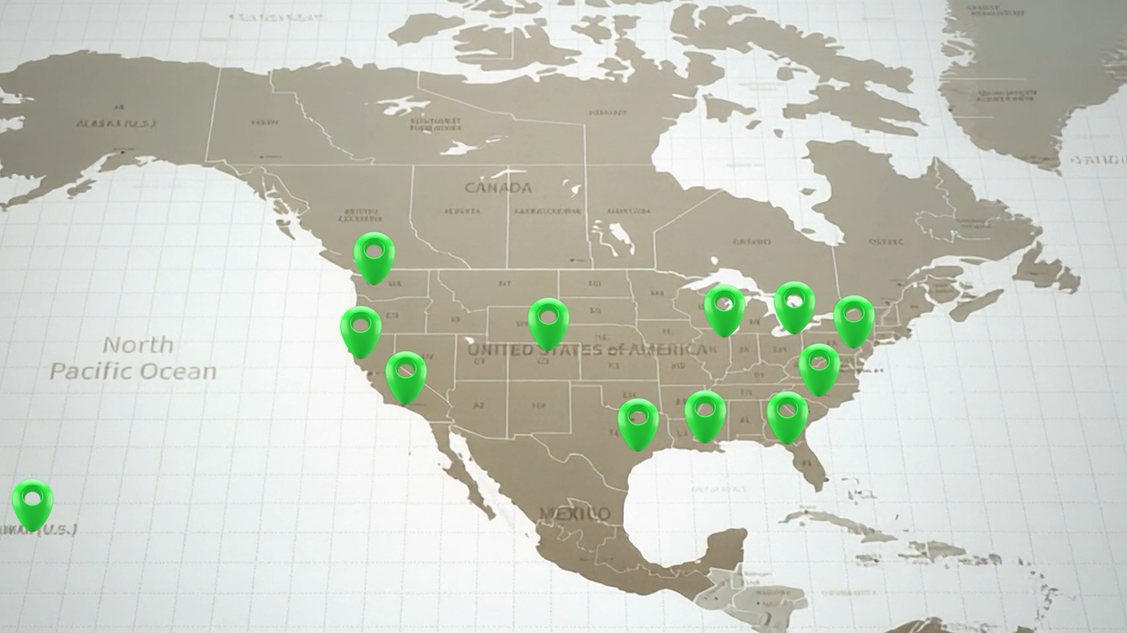
As the requests for deep foundation testing services increased, GRL opened branch office locations to more efficiently and economically satisfy client testing schedules and construction demands. GRL’s initial group of branch offices were opened in Colorado (1986), as well as in Florida and Pennsylvania (1987). Continued growth resulted in additional office openings in Washington (1990), Illinois (1992), North Carolina (1994), and California (1995). The most recent growth led to GRL branch office openings in Louisiana (2010), Texas (2015), and Hawaii (2021).

Signature Projects
Over our 50-year history, GRL has provided services on numerous signature projects. In the last 25 years, a sampling of these have included the Marquette Interchange (2006-2008) in Milwaukee, WI (PDA, APPLE); 67 miles of new I-69 (2007-2025) interstate construction from Evansville to Indianapolis, IN (PDA, TIP, CSL, PIT and SLT); numerous California High Speed Rail (2015-2026) bridge foundations (WEAP, PDA, SLT, SHAPE, SQUID and BDSLT); the Bonner Bridge (2016-2018) to Cape Hatteras, NC (PDA, Remote PDA and SLT); the Central 70 Project (2018) through Denver, CO (CSL, TIP); the Gordie Howe Bridge (2019-2021) over the Detroit River (SQUID, PDA); Climate Pledge Arena (2019) in Seattle, WA (TIP); the Raritan River Bridge (2020-2022) replacement (WEAP, PDA, CSL, TIP, and PIT); the I-4 Ultimate Project (2020-2026) in Orlando, FL (WEAP, PDA); the Plaquemines LNG Terminal (2022-2023) in Plaquemines Parish, LA (PIT, SLT, DLT, APPLE); the Sand Island Wastewater Treatment plant (2022) in Honolulu, HI (BDSLT, TIP); and Samsung's semiconductor plant (2022-2026) in Taylor, TX (BDSLT, TIP, CSL, SQUID, SHAPE, DLT, APPLE, PIT).
Culture
As noted, GRL started following a research project at Case Western Reserve University. Those collegial roots remain evident today in firm’s focus on innovative technologies, its commitment to engineering excellence, and its continued development of employee expertise and professionalism. The years of company service of GRL’s current leadership team exemplifies the rewarding nature and careers provided by the company’s culture. That includes Executive Director Mohammad Hussein (44 years), President Scott Webster (34 years), Principal Engineer and California branch manager Camilo Alvarez (26 years), Principal Engineer and Washington branch manager Marty Bixler (30 years), Principal Engineer and Ohio branch manager Ben White (23 years), Principal Engineer and Illinois branch manager Travis Coleman (21 years), Senior Engineer and Florida branch manager Brian Mondello (25 years), Senior Engineer and Texas branch manager Brandon Phetteplace (18 years), Senior Engineer and Pennsylvania branch manager Alex Ryberg (16 years), Senior Engineer and North Carolina branch manager Joel Webster (9 years), and Central Operations branch manager, Danny Belardo (13 years). Finally, both Pat Hannigan (past president) and Michael Morgano (former principal engineer and Ohio branch manager) remain active within GRL.
Thanks to the Families
It has been a monumental journey over the past 50 years filled with interesting projects, engineering challenges, and continually evolving deep foundation market needs and services. It would not have been possible to achieve our 50th anniversary without the benefit of our dedicated staff and the support from everyone’s families. We are truly grateful to all those who made this milestone possible.

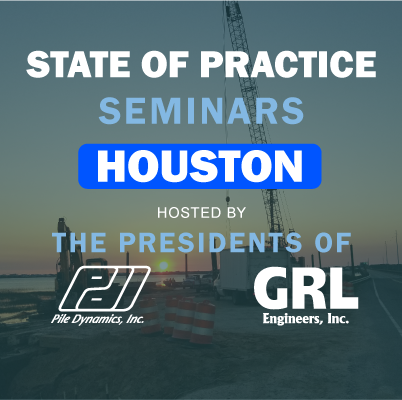
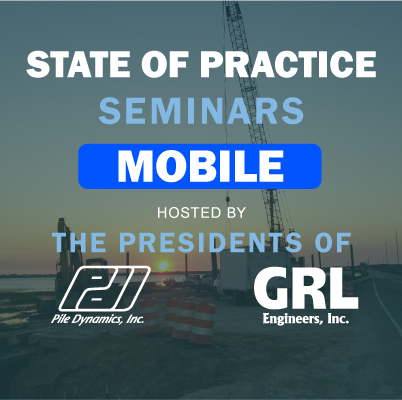
Join Pile Dynamics, Inc. and GRL Engineers for an intensive one-day seminar exploring the Benefits, Methods, Interpretation, Risks, and Implementation of Quality Control Practices in the deep foundations industry.
These State of Practice Seminars are designed for designers, specifiers, contractors, owners, and other foundation professionals seeking to improve project outcomes through optimized design, reduced construction schedules, and lower project costs. Attendees will also gain valuable insights from case studies featuring projects specific to each regional market.
Each registrant will receive 6.5 Professional Development Hours (PDHs), along with all presentation materials, breakfast, lunch, and parking.
Registration is closing soon. Reserve your spot today before seats fill up.
AGENDA
• Overview of the Benefits of Testing
• Method Selection
• How to Implement Testing into a Project
• Understanding Test Methods and Results
• Illustrative Examples
• Advantages and Limitations
• Risk Mitigation
• Case Histories
• Testing Solutions Benefits & Cost Savings
Upcoming Dates & Locations:
10/12/26 - Houston, TX
10/14/26 - Mobile, AL
10/16/26 - St. Louis, MO
GRL Expands with New Engineers
Workshop: 2026 CGS-SOS Non-Destructive Evaluation of Deep Foundations Workshop
September 30, 2026 - Ontario, Canada
Register Now

Conference: International Geotechnical Innovation Conference
October 14-15, 2026 - Riyadh, Saudi Arabia
Learn More
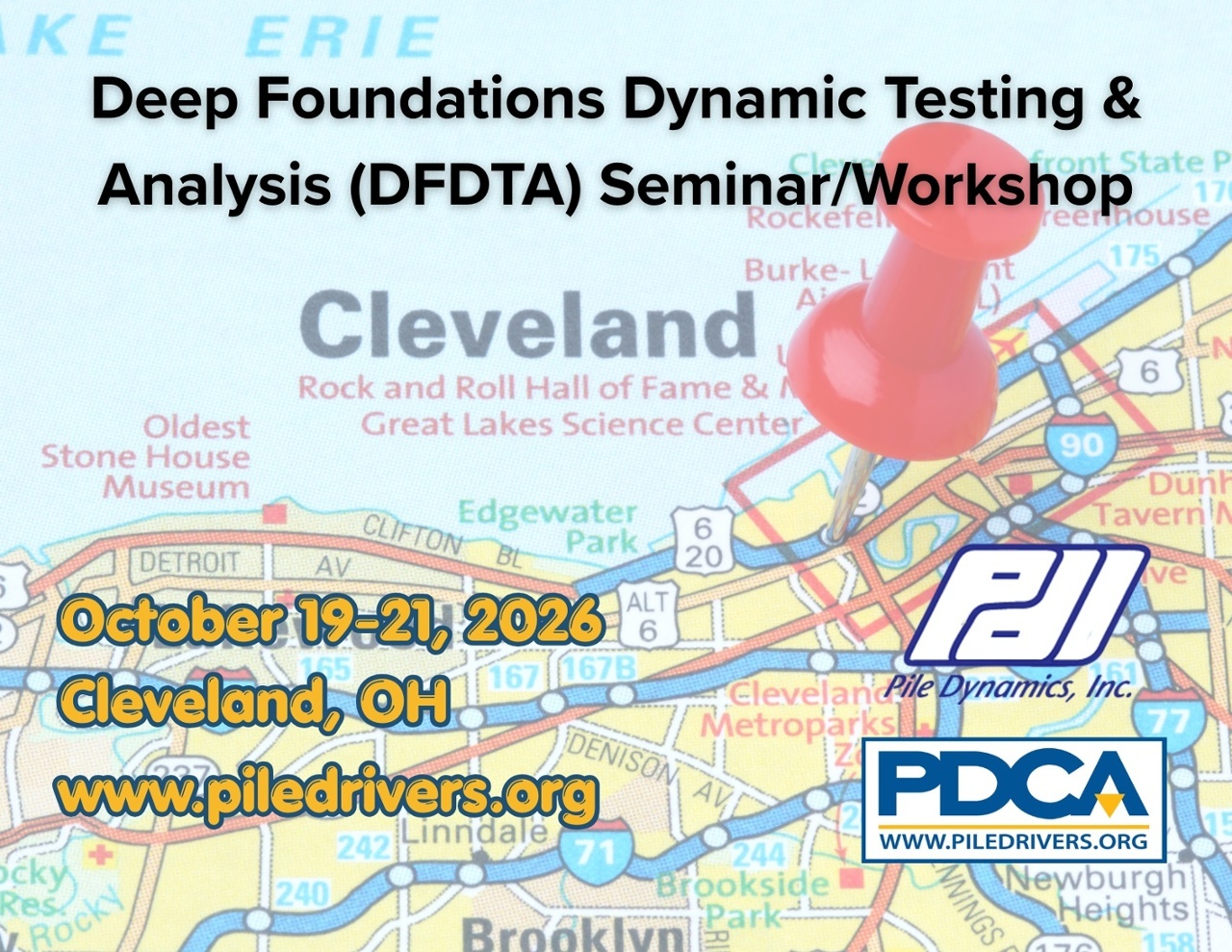
Seminar: Deep Foundations Integrity Testing and Wave Equation Analysis (DFDTA)
October 19, 2026 - Cleveland, OH
Register Now
Workshop: High Strain Dynamic Foundation Testing Workshop (DFDTA)
October 20-21, 2026 - Cleveland, OH
Register Now
Conference: Ohio Transportation Engineering Conference (OTEC)
October 20-21, 2026 - Columbus, OH - Booth #902
Learn More

Conference: International Conference on Performance Based Design in Earthquake Geotechnical Engineering
November 4-6, 2026 - Puerto Varas, Chile - Booth PL1
Learn More

Conference: CEATI Transmission and Distribution 2026
November 17-18, 2026 - Denver, CO - Booth #318
Learn More